
OEM vs Aftermarket Windscreen Glass Which Should You Choose?
OEM vs. Aftermarket Windshields: What You Need To Know
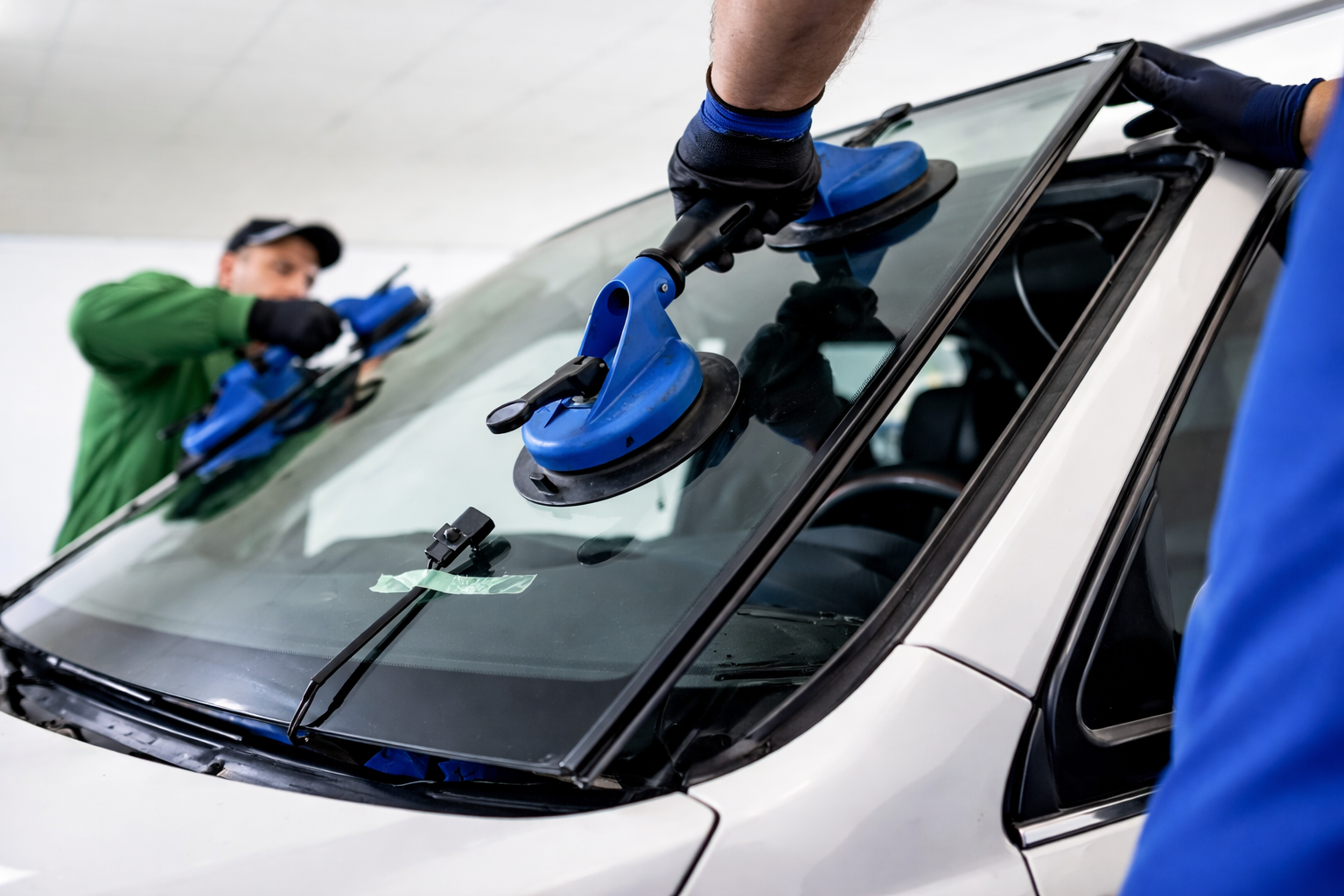
So your windscreen has a crack, a chip that's spreading, or maybe it took a rock on the M7 and now you're getting quotes. Then someone mentions "OEM glass," and suddenly you're deep in a rabbit hole, wondering if you're about to make a $500 mistake.
The debate between OEM and aftermarket windscreen glass is not as complicated as it sounds. But the decisiondoesdepend on your specific car, your budget, and how your vehicle is fitted out. Get it wrong and you could have issues with your safety sensors, your insurance, or even your car's structural integrity.
At Western Sydney Windscreens, we replace windscreens every single day using both OEM and premium aftermarket glass. We've seen what happens when drivers make uninformed choices, and we've helped thousands of Sydney drivers make the right call. This guide tells you everything you need to know.
If your car was made after 2015 and has safety features like lane-keeping assist, automatic emergency braking, or rain-sensing wipers, lean towards OEM glass or confirm your aftermarket option is ADAS-compatible. For older vehicles or tight budgets, quality aftermarket glass from a reputable brand is a perfectly safe, cost-effective choice.
What Is OEM Windscreen Glass?
OEM stands for Original Equipment Manufacturer. An OEM windscreen is made to the same specifications as the original glass fitted to your vehicle when it rolled off the production line. In many cases, it's produced by the very same glass supplier that built the windscreen for your car's manufacturer in the first place.
Think of it this way: the windscreen your car came with is called the OE (Original Equipment) glass. It's made once, fitted at the factory, and that's it. An OEM replacement is the version of that same glass kept on hand for repairs, produced to the exact same mould, thickness, tint, and tolerance.
OEM glass is designed to match your vehicle's original in every detail: the shape and curvature, glass thickness, UV and acoustic properties, mounting points for rain sensors and cameras, the defrost element pattern, and even the gradient shade band at the top of the screen.
"When a customer asks what glass their car came with from the factory, that's OEM. It's the gold standard for fit and compatibility, especially if their car has a camera or sensor mounted on the windscreen."
Dealerships almost universally recommend OEM glass, particularly for newer models, because it eliminates questions around fit, sensor tolerance, and warranty compliance. It comes at a higher price, but for the right vehicle, it's often the right choice.
What Is Aftermarket Windscreen Glass?
Aftermarket windscreen glass sometimes called ARG (Aftermarket Replacement Glass) or OEE (Original Equipment Equivalent) is produced by third-party manufacturers who are not affiliated with your vehicle's brand. These companies reverse-engineer your car's original windscreen to produce a replacement that fits the same vehicle.
That's a key distinction: aftermarket glass is designed to fit your vehicle, it's not manufactured from the original blueprint. It's built to the measured specifications of the OE glass, which means it can vary in subtle ways: slight differences in glass thickness, optical clarity, tint density, or acoustic dampening.
That said, reputable aftermarket glass must comply with Australian Standard AS 2080:2019 for safety glazing materials in motor vehicles. This means it's not unregulated junk, it has to meet a real safety threshold before it can legally be fitted to your car in NSW or anywhere else in Australia.
Where aftermarket glass varies most is in the quality between brands. A well-known aftermarket supplier like Pilkington or PGW produces glass that rivals OEM quality. A cheaper, unknown-brand alternative might fall short on optical distortion, UV protection, or acoustic performance. This is why the brand of aftermarket glass your installer uses matters just as much as the choice between OEM and aftermarket itself.
Not all aftermarket glass is created equal. Always ask your installer which brand of aftermarket glass they use, and whether it meets Australian safety standards. A quote that seems suspiciously cheap often means lower-grade glass with inconsistent optical quality.
Side by Side Comparison of OEM vs Aftermarket Windscreen
Here's a straight comparison so you can see the key differences at a glance:
| Feature | OEM Glass | Aftermarket Glass |
|---|---|---|
| Manufacturer | Same supplier as original factory glass | Third-party glass manufacturer |
| Fit & Precision | Factory-exact fit, precise tolerances | Designed to fit, minor variations possible |
| Glass Thickness | Matches original exactly | May vary slightly between brands |
| Optical Clarity | Factory standard, no distortion | Varies by brand; quality brands match OEM |
| Tint & UV Protection | Matches original factory tint exactly | Generally similar; may differ slightly |
| Acoustic Properties | Same noise reduction as original | May differ on premium acoustic-glass models |
| ADAS Compatibility | Designed for factory sensor mounts | ADAS-compatible options exist; not universal |
| Australian Standard | Meets or exceeds AS 2080:2019 | Must meet AS 2080:2019 to be legally sold |
| Cost | Higher often significantly more | Generally 20–50% cheaper than OEM |
| Insurance Coverage | Often requires top-up payment | Typically covered by comprehensive policies |
| Availability | May be limited for older/rarer models | Wider availability, faster sourcing |
| Resale Value Impact | Preserves original specification | Minimal impact on most vehicles |
| Warranty | Typically longer or lifetime warranty | Varies by installer and glass brand |
Pros and Cons of Each Option
OEM Windscreen Glass
Pros
- Exact factory fit, no guesswork on tolerances
- Best option for vehicles with ADAS cameras and sensors
- Retains original tint, UV protection, and acoustic properties
- Ideal for newer and luxury vehicles
- Protects new car warranty in most cases
- Strongest resale value protection
Cons
- Higher upfront cost, can be 30–60% more expensive
- May not be fully covered by standard insurance policies
- Harder to source for older or discontinued models
- Longer lead time if not in local stock
Aftermarket Windscreen Glass
Pros
- More affordable, often significantly cheaper
- More widely available and faster to source
- Meets Australian safety standards (AS 2080:2019)
- Smart choice for older vehicles without ADAS
- Usually covered by comprehensive insurance without extra cost
- Quality brands perform at near-OEM levels
Cons
- Quality varies significantly between brands
- May not be fully ADAS-compatible for all camera types
- Possible minor differences in tint or optical clarity
- May require recalibration on ADAS vehicles
- Some insurers may question it on premium/luxury models
The Important ADAS and Sensor Compatibility Factor
ADAS stands for Advanced Driver Assistance Systems. These are the safety technologies that have become standard on most modern vehicles: lane-keeping assist, automatic emergency braking, adaptive cruise control, rain-sensing wipers, and forward collision warnings. Most of these systems rely on a camera or sensor mounted directly on your windscreen, usually behind the rearview mirror.
When you replace your windscreen, that camera's view of the road changes. Even tiny differences in glass thickness or optical properties can cause the camera to misread distances, trigger false warnings, or fail to engage when it should. That's why
ADAS recalibration is required after every windscreen replacement on a vehicle with these systems, full stop.
Skipping ADAS recalibration after a windscreen replacement is not just a warranty issue, it can make your car's safety systems unreliable. A mis-calibrated lane-keeping system or collision warning is worse than no system at all, because you may trust it when you shouldn't.
Now, where does OEM vs aftermarket glass fit in?
This is paragraph text. Click it or hit the Manage Text button to change the font, color, size, format, and more. To set up site-wide paragraph and title styles, go to Site Theme.
OEM glass is manufactured with the camera mount brackets and optical properties designed specifically for your vehicle's sensor setup. This means the recalibration process after an OEM replacement is more predictable and reliable. The glass is what the camera was engineered to look through.
Aftermarket glass can work perfectly well with ADAS, but only if it's a quality ADAS-compatible product and if recalibration is properly carried out after fitting. Not all aftermarket glass is ADAS-compatible, and not all installers are upfront about this. Always ask specifically whether the aftermarket glass your installer proposes is rated for ADAS compatibility with your vehicle.
In Australia,
ADAS recalibration typically costs between AUD $150 and $400, depending on the vehicle and whether static calibration, dynamic calibration, or both are required. Some windscreen replacement providers bundle this cost into the total job price, make sure you confirm this upfront so there are no surprises on your invoice.
Our Advice at Western Sydney Windscreens
We perform ADAS recalibration as part of every replacement on sensor-equipped vehicles. If you're unsure whether your car requires recalibration, give us a call, and we'll check your vehicle's specs before we quote.
We perform ADAS recalibration as part of every replacement on sensor-equipped vehicles. If you're unsure whether your car requires recalibration, give us a call, and we'll check your vehicle's specs before we quote.New Paragraph
What You Need to Know about Insurance Coverage in Australia
One of the most common surprises for Australian drivers is discovering that their insurance policy doesn't fully cover OEM glass. Here's how it typically works.
Most comprehensive car insurance policies in Australia will cover windscreen replacement, but the default approval is generally for aftermarket glass. If you want OEM glass, you may need to pay the difference between what your insurer approves and the actual cost of OEM glass. This difference can range from a few hundred dollars to more, depending on your vehicle.
Some insurers do approve OEM glass, particularly for vehicles under warranty, luxury vehicles, or where the insurer's preferred repairer recommends it. But you need to ask specifically before authorising any work.
- Check your policy's glass cover conditions before your replacement is booked
- Ask your insurer explicitly whether OEM glass is covered for your vehicle
- Confirm whether ADAS recalibration is included in your glass claim
- If your policy has a glass-only claim option, find out if it affects your no-claims bonus
- Ask your repairer if they can lodge the claim on your behalf many reputable shops will
If your insurance only covers aftermarket glass and you prefer OEM, you simply pay the difference out of pocket. At Western Sydney Windscreens, we'll give you a transparent breakdown of what each option costs so you can make an informed choice, not a rushed one.
What Does Each Option Actually Cost in Sydney?
Windscreen replacement pricing in Sydney varies based on your vehicle make and model, the type of glass (standard, acoustic, heated, HUD-compatible), and whether ADAS recalibration is required. Here's a realistic breakdown for 2026:
| Scenario | Aftermarket Glass | OEM Glass |
|---|---|---|
| Standard sedan (no ADAS) | $250 – $450 | $350 – $650 |
| SUV or 4WD (no ADAS) | $350 – $550 | $500 – $800 |
| Modern vehicle with ADAS camera | $400 – $650 + recalibration | $600 – $1,100 + recalibration |
| Luxury or European vehicle | $500 – $900 + recalibration | $900 – $2,000+ + recalibration |
| ADAS recalibration (add-on) | AUD $150 – $400 | (varies by vehicle) |
These are approximate ranges. For an accurate, no-obligation quote specific to your make, model, and suburb, contact us directly. We'll give you a straight number, no hidden fees, no surprises at handover.
Money-Saving Tip
If your comprehensive policy includes glass cover and you've had no claims, your replacement may cost little to nothing out of pocket. Always check your policy before paying anything. We can assist with insurance claims directly.
Which Should You Choose Between OEM and Aftermarket
There's no single right answer, it depends on your car, your budget, and your priorities. Use this guide to make the call with confidence.
Quick Decision Framework
OEM
- Your car was made after 2015 and has ADAS features (lane assist, auto braking, rain sensors)
- Your vehicle is still under manufacturer warranty and you want to protect it
- You drive a luxury or high-value vehicle, and resale value matters
- Your windscreen has a HUD (Heads-Up Display) or specialised acoustic glass
Aftermarket
- Your vehicle is pre-2010 and has no ADAS cameras or sensors
- Budget is the primary concern and your insurer covers aftermarket glass
- OEM glass is unavailable for your older or discontinued model
- Your repairer uses a reputable ADAS-compatible brand and will perform full recalibration
The bottom line: neither option is universally better. A quality aftermarket windscreen fitted correctly by a certified technician is just as roadworthy as OEM for the right vehicle. The key variables are your car's technology, the quality of the glass brand, and the standard of the installation.
Why the Installation Matters As Much As the Glass
Here's something glass companies don't always say loudly enough:
the best windscreen in the world can fail if it's fitted poorly.
A windscreen isn't just bolted in place. It's bonded to your vehicle using a high-strength urethane adhesive that, once cured, forms part of your car's structural integrity. In a collision, a properly installed windscreen helps prevent roof crush and ensures the passenger-side airbag deploys correctly. Get the installation wrong, wrong adhesive, insufficient cure time, contaminated bonding surface, and none of that works as designed.
This is why we strongly recommend always verifying that your windscreen installer:
- Is an accredited or certified auto glass technician
- Uses Australian-standard adhesives with correct cure times
- Performs ADAS recalibration on all vehicles that require it
- Provides a workmanship warranty on the installation
- Can tell you exactly which brand and grade of glass they're fitting
At Western Sydney Windscreens, every replacement comes with a
lifetime workmanship guarantee. If there are any issues with the seal, fit, or installation, we come back and fix it at no charge. That's how confident we are in our process.
Key Takeaway
The glass type matters, OEM vs aftermarket is a real decision. But the quality of the technician fitting that glass matters equally. A properly installed aftermarket windscreen beats a poorly installed OEM one every time.
Frequently Asked Questions
What does OEM mean for a windscreen?
OEM stands for Original Equipment Manufacturer. An OEM windscreen is made to the same exact specifications as the glass your car came with from the factory, same thickness, curvature, tint, and mounting points. It's typically produced by the same glass supplier that made the original for the automaker.
Is aftermarket windscreen glass safe in Australia?
Yes. To be legally sold and fitted in Australia, all windscreen glass must comply with Australian Standard AS 2080:2019 for safety glazing materials. This means quality aftermarket glass is a safe, roadworthy option, particularly for vehicles without ADAS technology. The key is choosing a reputable brand and a certified installer.
Will aftermarket glass affect my ADAS or safety cameras?
It can, particularly with lower-quality aftermarket glass that doesn't maintain the optical tolerances required for your vehicle's camera to function correctly. ADAS-compatible aftermarket glass exists and works well when paired with proper recalibration. Always confirm your installer is using ADAS-rated glass and will recalibrate your system after fitting.
Does my insurance cover OEM windscreen replacement in Australia?
Most comprehensive insurance policies in Australia default to approving aftermarket glass. If you want OEM glass, you may need to pay the price difference yourself. Some policies, particularly those with a glass-specific add on, may cover OEM glass in certain circumstances. Always check your policy details before the work is carried out.
How much does ADAS recalibration cost after windscreen replacement in Sydney?
ADAS recalibration in Sydney typically starts from around AUD $150–$200 for basic camera calibration, and can reach $400 or more for vehicles that require full multi-sensor recalibration. Some installers include this in their total replacement price, always confirm whether it's bundled or charged separately before booking.
How do I tell if my windscreen is OEM or aftermarket?
Look in the corner of your windscreen for the manufacturer's logo or name etched into the glass. If the logo belongs to the same brand as your car's manufacturer or a known OEM glass supplier like Pilkington (for specific makes), it's likely OEM. If the logo is absent or belongs to a third-party brand, it's aftermarket.
Can I get OEM glass fitted by an independent repairer, or do I need to go to the dealer?
You don't need to go to the dealership. Independent auto glass specialists, including Western Sydney Windscreens, can source and fit genuine OEM glass for most makes and models. In many cases, an independent specialist will offer the same glass at a significantly lower overall price than a dealership, without any compromise on quality or warranty.
How long does windscreen replacement take?
A standard windscreen replacement typically takes 60 to 90 minutes. If ADAS recalibration is required, allow additional time, usually another 30 to 60 minutes depending on your vehicle and the calibration method. We recommend not driving for at least one hour after installation to allow the adhesive to cure properly.
Does Western Sydney Windscreens offer mobile service?
Yes. We offer fully mobile windscreen replacement and repair across Western Sydney and surrounding suburbs. Our certified technicians come to your home or workplace, with same-day availability in most cases. Mobile service typically costs the same as a workshop visit.
OEM vs Aftermarket Windscreen Glass
If you take nothing else from this guide, take this: the choice between OEM and aftermarket windscreen glass is not about one being "real" and the other being inferior. It's about matching the right glass to your specific vehicle, your budget, and your safety requirements.
For newer cars with ADAS systems, HUD displays, or acoustic glass, OEM is often the smarter long-term investment, even if the upfront cost is higher. For older vehicles without integrated technology, a quality aftermarket windscreen from a reputable supplier and a certified installer is a safe, smart, and cost-effective choice.
What matters most in every case is who fits the glass and how well it's done. The installation, the adhesive cure time, and the ADAS recalibration are what keep you safe on the road, not just the logo in the corner of the glass.
If you're in Western Sydney and need a windscreen replacement, we'd be happy to walk you through your options, give you a
transparent quote, and get you back on the road safely. No pressure, no upsells, just honest advice from experienced technicians who do this every day.