
Does Car Insurance Cover Windscreen Replacement in Australia?
Why So Many Drivers Get Caught Out at Claim Time
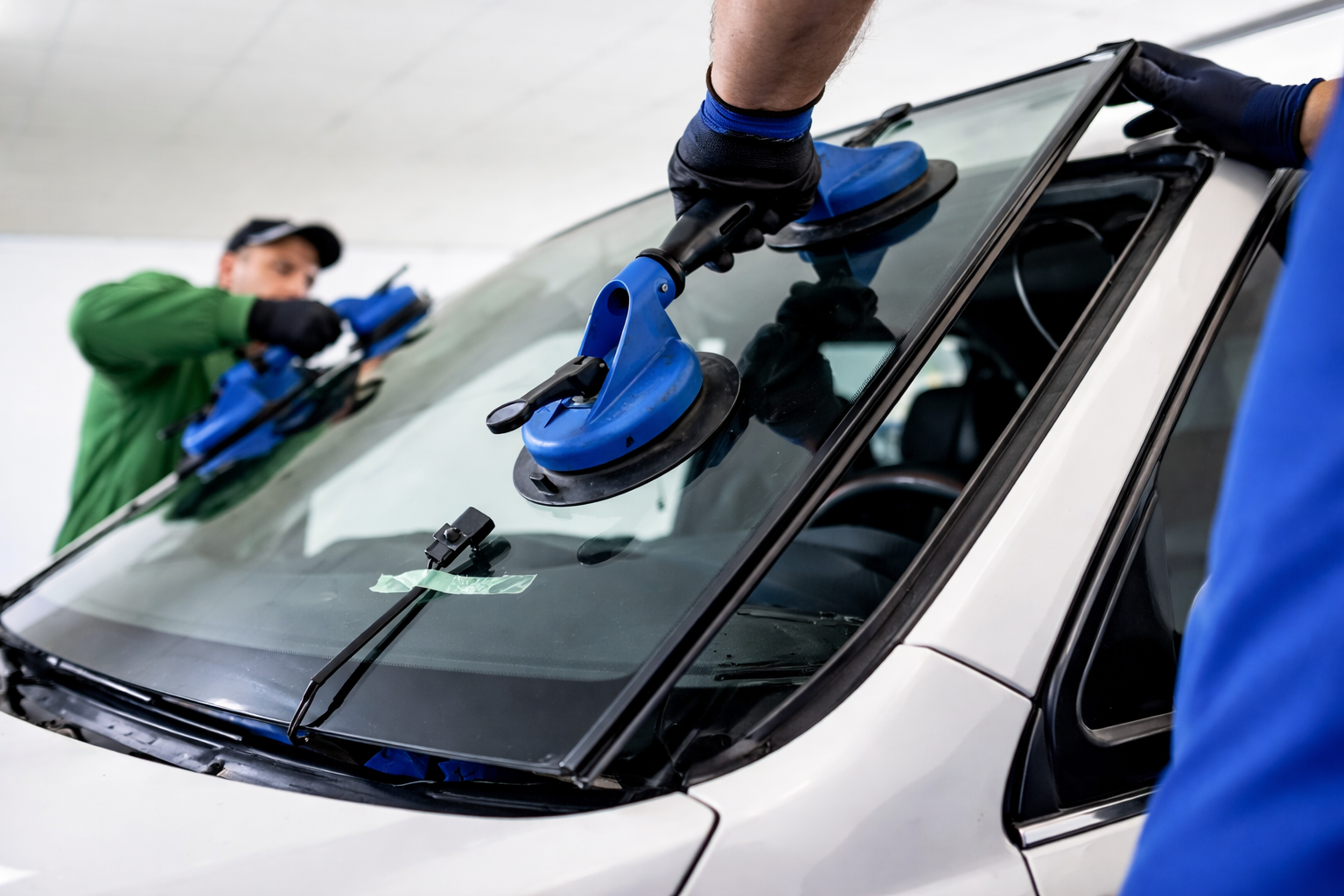
A rock flicks off the back of a truck on the M7. You hear that sharp crack. By the time you pull over, there's a chip spreading from the centre of your windscreen. Your next thought: am I covered for this?
It's one of the most searched questions by Australian drivers, and the confusion is understandable. Insurance policies are full of fine print, optional extras, and terms that sound similar but mean very different things. Some drivers assume all comprehensive policies automatically cover windscreen damage with no out-of-pocket cost. Others avoid claiming altogether because they're afraid of losing their no-claims bonus. Both assumptions can end up costing you money.
Here's exactly what car insurance covers when it comes to windscreen repair and replacement in Australia, what it doesn't cover, what the excess situation actually looks like, and the questions you should be asking your insurer before you need to make a claim.
Does Comprehensive Car Insurance Cover Windscreen Damage?
Most
car insurance policies in Australia include windscreen and window glass cover as either a standard inclusion or an optional add-on. The key word is most. Not all comprehensive policies treat glass damage the same way, and the difference between having standard windscreen cover and having dedicated excess-free glass cover can mean hundreds of dollars out of your pocket.
Here's how it typically breaks down:
What's Included in a Standard Car Insurance Policy?
Under a standard comprehensive policy, your windscreen is covered as part of your vehicle, meaning if it's damaged in an insured event (a stone chip, storm damage, an accident), you can claim. However, your standard policy excess applies. Depending on your insurer and your excess level, this could be anywhere from $200 to $800 or more. If your windscreen repair costs $180 and your excess is $500, making a claim actually costs you more than paying out of pocket.
Optional Excess-Free Windscreen Cover
This is the add-on that most drivers don't know about until they need it. Many Australian insurers, including Allianz, AAMI, Bingle, Budget Direct, and Suncorp, offer an optional windscreen or glass cover that either removes the excess entirely or reduces it significantly for glass-only claims. This is typically available for a small additional premium of around $50–$100 per year.
With this add-on, you can usually claim for:
- One windscreen replacement per policy year
- One or two windscreen chip repairs per policy year
- Window glass on the same vehicle (side windows, rear window, and sometimes sunroofs)
If your car is regularly driven on motorways, gravel roads, or through Western Sydney's road network where trucks are common, this add-on can easily pay for itself after a single claim.
What Type of Policy Do You Actually Need?
This is where a lot of drivers get a nasty surprise. Policy type matters enormously for windscreen claims.
Comprehensive Car Insurance
Covers damage to your own vehicle, including your windscreen, as well as damage to other vehicles and property. This is the only policy type that gives you access to windscreen cover in Australia.
Third Party Property Damage
Covers damage you cause to other people's property. It does not cover any damage to your own vehicle, including your windscreen. If this is your policy type and your windscreen gets cracked, you're paying for it yourself, full stop.
Third Party Fire and Theft
Covers your car against fire and theft only, plus third party property damage. Again, windscreen damage from a stone chip or road debris is not covered under this policy type.
The most important first step after any windscreen damage is checking which level of cover you actually have. If you're not sure, call your insurer before doing anything else and ask directly: does my current policy cover windscreen repair or replacement, and does an excess apply?
Will You Actually Save Money by Claiming?
This is the calculation most Australians skip, and it's costing them.
Even with comprehensive cover, whether it makes financial sense to claim depends on the gap between your excess and the actual repair or replacement cost.
When Claiming Makes Sense
- Your windscreen requires full replacement (typically $300–$900 depending on the vehicle and whether ADAS recalibration is needed)
- You have excess-free glass cover added to your policy
- Your standard excess is lower than the repair cost
When Paying Out of Pocket Makes More Sense
- The damage is a small chip that can be repaired professionally for under $100
- Your standard excess is higher than the cost of repair
- You're concerned about your no-claims bonus and your insurer doesn't protect it for glass-only claims
A professional
windscreen chip repair for minor chips typically costs significantly less than most standard policy excesses. In those cases, fixing it directly is faster, cheaper, and keeps your claim history clean.
Will Making a Windscreen Claim Affect Your No-Claims Bonus?
In most cases, a dedicated glass-only claim does not affect your no-claims bonus (NCD). Most Australian insurers treat windscreen and glass claims separately from accident claims, meaning your NCD is protected if you have the relevant glass cover add-on and the claim is for glass damage only.
However, there are important exceptions:
- If you don't have a separate glass cover add-on and you claim windscreen damage under your standard comprehensive policy, some insurers will treat it as a standard claim — which can affect your NCD.
- Policy terms vary between providers. Some protect your NCD for glass claims automatically; others only protect it if you've added specific no-claim bonus protection cover.
- Always call your insurer before lodging any claim and ask directly: "If I make a windscreen-only claim, will it affect my no-claims bonus or my renewal premium?" Get that answer in writing or via email if possible.
The safest approach is to have excess-free glass cover added to your policy before you ever need it. At that point, most insurers explicitly state in their Product Disclosure Statement (PDS) that glass-only claims are NCD-neutral.
Does Insurance Cover ADAS Recalibration After Windscreen Replacement?
ADAS (Advanced Driver Assistance Systems) includes lane departure warning, automatic emergency braking, adaptive cruise control, forward collision alerts, and rain-sensing wipers. In most vehicles manufactured after 2018, these systems use cameras and sensors mounted directly to the windscreen. When the windscreen is replaced, those cameras must be professionally recalibrated to the new glass, otherwise, the systems can misread distances, fail to activate, or trigger false alerts.
ADAS recalibration is a separate cost on top of the windscreen replacement itself, and it can add $150–$400 to the job depending on the vehicle.
The question is: does your insurance cover it?
It depends on your insurer and policy, and most policies don't make this clear in their marketing.
- Some comprehensive policies and glass add-ons do include ADAS recalibration as part of the windscreen replacement claim, but you often need to ask specifically.
- Others cover the glass replacement but treat calibration as a separate labour cost not included in the claim.
- A small number of policies explicitly exclude recalibration costs, meaning you'd be out of pocket for that component even if the glass itself is covered.
Before you approve any
windscreen replacement claim, ask your insurer: "Does this claim include ADAS camera recalibration, and if so, is the recalibration cost included in the claim value?"
If they say no, you can still get the recalibration done, it is required for your vehicle's safety systems to function correctly, but knowing the cost upfront means no surprises.
Does Your Insurance Choose OEM or Aftermarket Glass for You?
Another angle that almost no insurer makes obvious upfront, and one that matters for newer vehicles, prestige cars, and any vehicle with embedded sensors or HUD displays.
OEM (Original Equipment Manufacturer) glass is made to the exact specifications of your vehicle's manufacturer. Aftermarket glass is made by third-party manufacturers and may differ slightly in thickness, optical clarity, tint, and sensor compatibility.
Many insurers will default to aftermarket glass when processing a windscreen replacement claim because it is cheaper. For most vehicles, this makes little practical difference. But for vehicles with:
- Heads-up displays (HUD) projected onto the glass
- Rain and light sensors embedded in the windscreen
- ADAS cameras requiring precise optical alignment
- Manufacturer-warranty considerations
OEM glass may be the only appropriate choice, and using aftermarket glass can create problems with sensor function, display clarity, and in some cases manufacturer warranty compliance.
What to do: Check your policy's PDS for any mention of glass type or quality. If it says the insurer will use "equivalent quality" glass, ask them to define what that means for your specific vehicle before approving the claim. If OEM glass is important for your car, request it explicitly and be prepared to pay the difference if your insurer won't cover the premium.
At
Western Sydney Windscreens, we always advise customers on the glass options available for their specific vehicle and work with customers to navigate exactly what their insurer will and won't cover, so there are no surprises on the day of the job.
Can You Choose Your Own Repairer When Making a Windscreen Insurance Claim?
This matters more than most drivers realise. Some insurers have preferred repairer networks and will direct you to use a specific glass provider when you make a claim. Others give you the freedom to choose your own repairer, which means you can use a local, trusted specialist you know rather than being funnelled through a call centre booking system.
Before you make a claim, ask your insurer: "Can I choose my own windscreen repairer, or am I required to use your preferred network?"
If your policy allows you to choose, you can book directly with a local provider and submit the invoice to your insurer for reimbursement. This is often faster, more convenient, and gives you more control over the quality of glass and workmanship used on your vehicle.
What Windscreen Damage Is Typically Excluded From Insurance?
Even the most comprehensive policies don't cover everything. Common exclusions include:
- Pre-existing damage: If your windscreen was already cracked or chipped before your policy started, insurers will not cover it. This is why photographing and documenting your vehicle's condition when you take out a new policy is important.
- Wear and tear: Gradual scratching, pitting, hazing, or deterioration from age is not an insured event.
- Intentional damage: Damage you deliberately caused, or permitted to be caused, is excluded.
- Sunroof glass: Some policies cover it, others don't. Check the PDS specifically.
- Infotainment and dashboard screens: These are almost universally excluded from windscreen cover, even if they are embedded in or adjacent to the glass.
- Third-party policy holders: As covered above, if you're not on comprehensive, windscreen damage to your own vehicle is not covered.
Frequently Asked Questions
Does third party insurance cover windscreen damage in Australia?
No. Third party property damage and third party fire and theft policies cover damage to other people's vehicles and property. They do not cover damage to your own vehicle, including your windscreen.
Can I add windscreen cover to my existing policy?
Yes, in most cases. Most Australian insurers allow you to add excess-free glass cover to an existing comprehensive policy at renewal, or sometimes mid-policy. Contact your insurer directly to confirm, and note that the add-on generally cannot be applied to pre-existing damage.
Does making a windscreen claim raise my premium at renewal?
It can, depending on your insurer and how the claim is categorised. Dedicated glass-only claims are often NCD-neutral, but some providers factor all claims into renewal pricing. Ask your insurer before you claim.
What if my insurer's payout doesn't cover the full cost of replacement?
This can happen, particularly with ADAS recalibration costs or OEM glass requirements. In these cases, you pay the difference. Getting a detailed quote before lodging the claim helps you know exactly what gap, if any, you'll need to cover.
Is windscreen cover worth it as an add-on?
For most drivers, yes. The additional premium is small (typically $50–$100 per year), and a single repair or replacement claim more than justifies the cost. If you regularly drive on motorways or in areas with heavy truck traffic, it's a straightforward call.