
Is It Illegal to Drive with a Cracked Windscreen in NSW?
That Crack Might Be Costing You More Than You Think
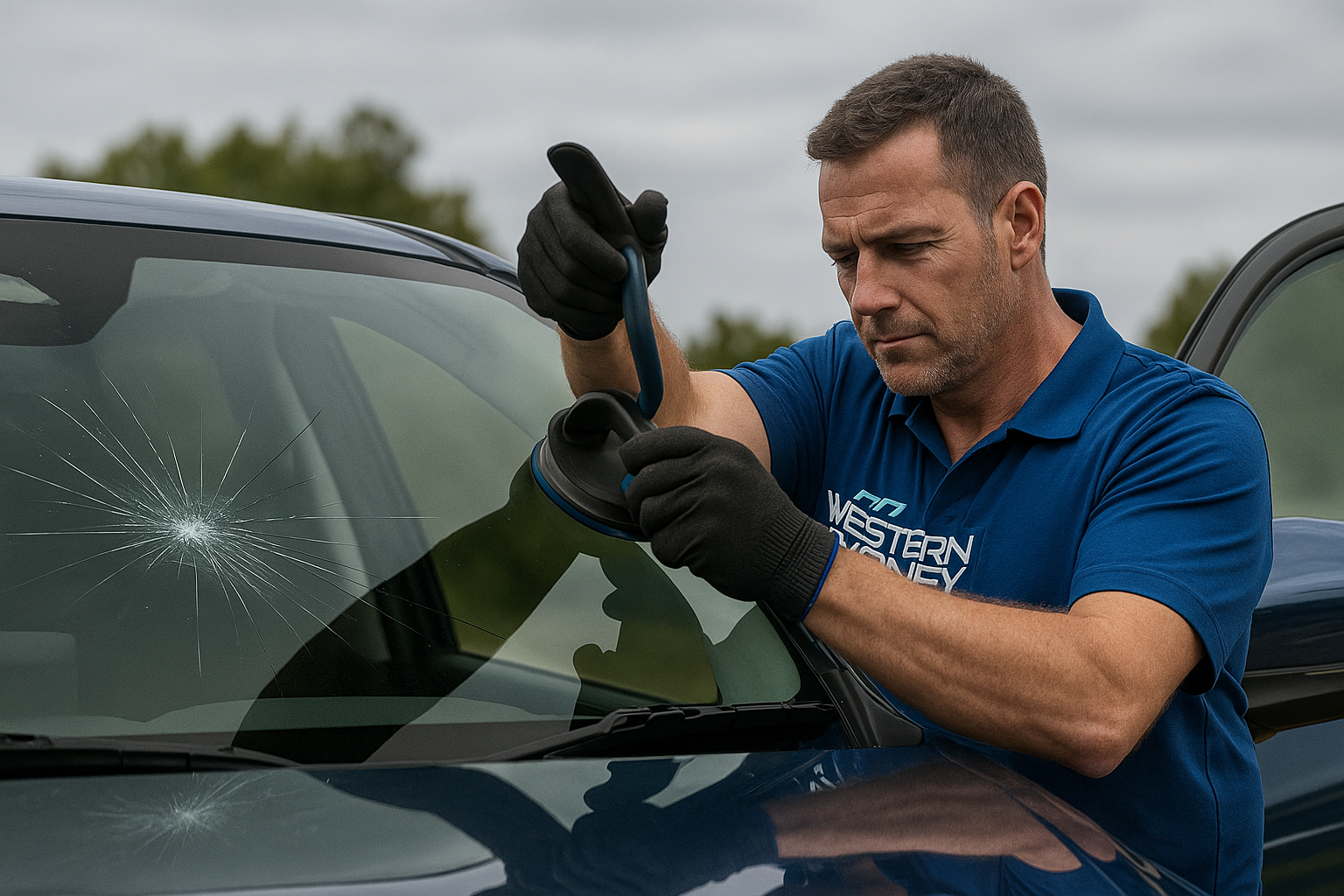
You're heading down Parramatta Road, running late for work, and out of nowhere a piece of gravel pings off your windscreen. By the time you pull up at the lights, there's a hairline crack spreading across the glass. Your first thought? Is this actually illegal?
It's one of the most searched questions by NSW drivers, and the answer is: it depends. Not all windscreen cracks are treated the same under NSW road rules, but the thresholds are specific, and getting it wrong can mean a defect notice, a failed pink slip, and a fine of over $300. More importantly, it puts you and everyone else on the road at risk.
Below, we have broken down exactly what the law says, what counts as
illegal windscreen damage in NSW, what happens when you get pulled over, and what you should do next so you can make the right call before it gets worse.
What NSW Road Rules Actually Say About Cracked Windscreens
Under the Road Transport (Vehicle Registration) Regulation 2017 and Australian Design Rule (ADR) 8/01, your vehicle's windscreen must not obstruct or impair the driver's view of the road. NSW authorities assess windscreen damage against specific size and location thresholds; it is not simply a case of "if it's cracked, it's illegal."
The rules draw a clear distinction between the driver's side of the windscreen and the passenger side. The driver's half, from the centre of the vehicle across to the driver's side, is held to tighter standards because any damage there directly threatens visibility.
The Legal Limits: What's Technically Allowed
On the driver's side of the windscreen, NSW regulations permit a maximum of two of the following defects simultaneously:
- A hairline crack up to 30mm long
- A crack running from the edge of the glass up to 75mm long
- A bullseye or circular impact crack up to 16mm in diameter
If your damage exceeds any of these thresholds, or if you have more than two of these defects on the driver's side, your vehicle is considered unroadworthy under NSW law. Any damage on the passenger side that impairs the driver's sightlines is also illegal, so location matters just as much as size.
The Critical Vision Area (CVA) | A Zone With Zero Tolerance
NSW road rules include a particularly strict zone known as the Critical Vision Area (CVA) a roughly 70mm vertical strip centred directly on the driver's eye line. Damage within this zone is treated more seriously. Even a bullseye chip that is 16mm or larger inside the CVA is grounds for a defect notice at a pink slip inspection.
If your crack runs through or near your direct line of sight, don't wait. That crack is almost certainly illegal right now.
What Happens If You're Caught Driving with an Illegal Windscreen in NSW?
Fines and Penalties
If a police officer or transport inspector determines that your windscreen damage makes the vehicle unroadworthy, you face:
- Fines exceeding $300 for driving an unroadworthy vehicle
- A vehicle defect notice, requiring you to repair or replace the windscreen before the car is driven again
- Demerit points in some circumstances, depending on how the infringement is classified
The fine alone is usually several times the cost of a professional windscreen chip repair, making it far cheaper to fix the problem before you're pulled over.
Failed Pink Slip
If your registration is due and your windscreen has damage in or near the driver's line of sight, your vehicle will fail its pink slip inspection. This means you cannot renew your registration until the windscreen is repaired or replaced, and you may have to pay for a re-inspection on top of the repair costs.
Defect Notices: What They Mean in Practice
A defect notice is not a fine in itself; it is an official order requiring you to fix the specified fault. Once issued, you have a set timeframe to get the repairs done and have the vehicle re-inspected. Until that clearance is obtained, driving the vehicle may result in further penalties. In serious cases, police can order the vehicle off the road on the spot.
Why Location Matters as Much as Size
One of the biggest SERP gaps in existing content on this topic is the lack of clear guidance on where a crack sits relative to legality. Many drivers assume a small crack is always fine but a 20mm bullseye crack centred directly in front of the driver is a defect. Meanwhile, a 70mm edge crack on the far passenger side may not be.
Here's a practical way to think about it:
- In the driver's direct sightline → Even small damage can be illegal. Act immediately.
- Near the edges of the glass → Edge cracks spread faster due to body flex and are treated as structural risks by inspectors.
- Near ADAS sensors or cameras → Even minor cracks near mounted cameras can disrupt lane assist, automatic emergency braking, and collision warning systems. This creates both a legal issue and a serious safety one.
- Passenger side but not affecting driver vision → Often within the legal limits, but still worth monitoring and repairing before it spreads.
The Safety Risks Behind the Legal Rules
The NSW rules aren't arbitrary they exist because a compromised windscreen is one of the most underestimated safety risks on Australian roads.
Structural Integrity
Your windscreen contributes up to 30% of your vehicle's roof strength in a rollover. A cracked windscreen that has lost structural integrity may collapse inward, directly injuring the driver or passengers. This is also why ADAS-equipped vehicles where the windscreen supports camera mounts require recalibration after any replacement.
Airbag Deployment
Modern vehicles are engineered so that the
passenger airbag deploys against the windscreen, using it as a backboard to direct the airbag toward the occupant. A weakened windscreen can fail during deployment, reducing the airbag's effectiveness at the exact moment it matters most.
Distorted Vision and Glare
Even a hairline crack that seems minor in overcast conditions can scatter light dramatically at night or in direct sunlight. This creates glare, visual distortion, and blind spots all of which elevate crash risk significantly on high-speed roads like the M7, M4, and Western Motorway.
Can a Cracked Windscreen Always Be Repaired, or Do You Need a Replacement?
This is the question most drivers ask after they understand the legal risk and the answer depends on the damage.
Professional chip repair is usually possible when:
- The chip or crack is smaller than a $2 coin
- The damage is not in the driver's direct line of sight
- The crack has not penetrated through both layers of the laminated glass
- There are no more than two damage points on the driver's side
If your windscreen damage falls within these guidelines, a fast windscreen chip repair can restore the structural integrity of the glass, bring it back within legal limits, and cost a fraction of a full replacement. Most repairs are completed in under 30 minutes using premium UV-cured resin — and you can drive away the same day.
Full windscreen replacement is necessary when:
- The crack is in or near the driver's line of sight and too large to repair
- The damage runs to the edge of the glass (edge cracks spread quickly and weaken the seal)
- The glass has multiple damage points exceeding legal thresholds
- The vehicle uses ADAS systems requiring sensor recalibration post-replacement
If you're unsure which category your damage falls into, the safest and cheapest move is to get a professional assessment before the damage spreads further.
Frequently Asked Questions
Can I drive my car at all with a cracked windscreen in NSW?
It depends on the size, type, and location of the damage. Minor damage within the permitted thresholds is technically legal, but any crack in the driver's line of sight or exceeding the NSW limits is illegal. When in doubt, have it professionally assessed.
Will I lose demerit points for a cracked windscreen?
A defect notice for an unroadworthy windscreen doesn't automatically carry demerit points, but the specific infringement circumstances can affect this. Fines of over $300 apply for driving an unroadworthy vehicle.
Does a windscreen crack affect my car insurance?
It can. Driving with a windscreen that you knew was damaged may affect your ability to claim if an incident occurs. Many comprehensive insurance policies cover windscreen repair or replacement sometimes with no excess so check your policy before paying out of pocket.
Will a cracked windscreen fail a pink slip in NSW?
Yes, if the damage is in or near the driver's line of sight, exceeds the legal thresholds, or affects ADAS sensor function, it will fail an annual safety inspection and prevent registration renewal.
How quickly can a cracked windscreen be fixed?
A professional chip repair takes under 30 minutes. A full windscreen replacement typically takes 60 to 90 minutes. With same-day mobile service across Western Sydney, there's no reason to delay.